
Before you can re‑imagine your weekend, you need a baseline. Grab a notebook and jot down what you usually do on a Saturday from 9 a.m. to 10 p.m. Do you hit the gym at 7 a.m., then spend three hours at the grocery store, and finally sit on the couch at 9 p.m. to watch a single episode of a show you’ve been meaning to catch up on? Count the hours: 4 for the gym, 3 for errands, 2 for meals, 2 for chores, and 2 for TV. That’s 13 hours of fixed activities, leaving only 11 hours that could be reshuffled.
Step 2: Identify Streaming‑Ready Slots
Once you know the gaps, look for windows that can be swapped for binge‑watching. In my schedule, the 11 a.m. to 12 p.m. slot is usually a quiet coffee break. Instead of scrolling through social media, you could watch the first episode of a new documentary series. The key is to replace low‑value screen time with high‑value content that fits the moment. If you’re a night owl, consider a 10 p.m. to 11 p.m. slot for a late‑night comedy special—just make sure it doesn’t interfere with your sleep cycle.
Step 3: Optimize Your Streaming Library
Not all streaming services are created equal when it comes to curating your weekend. For instance, Service A offers a “Weekend Planner” feature that recommends 5–10 hour blocks of content based on your past viewing habits. Service B, on the other hand, provides a “Quick Bites” section with 15‑minute clips that can be watched during a coffee break. If you’re juggling a full‑time job, Service B’s short segments let you stay updated without a long commitment. Compare the average watch time per episode on each platform: Service A averages 45 minutes, while Service B averages 18 minutes. Pick the one that aligns with your available time.
Step 4: Integrate Interactive Entertainment
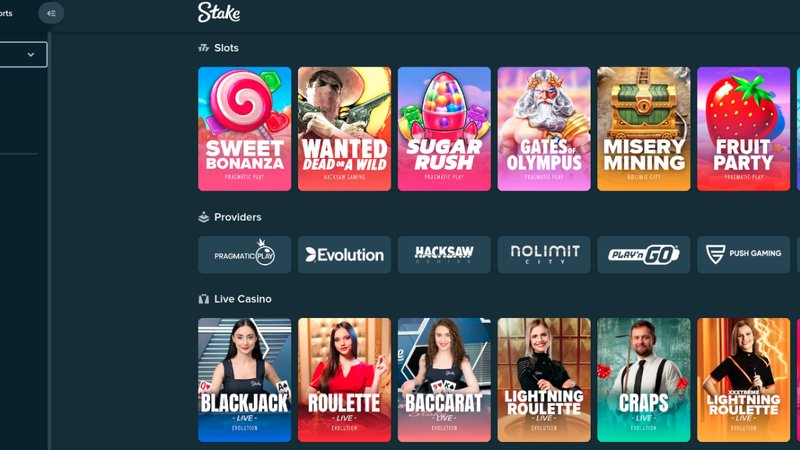
Streaming isn’t only passive viewing. Many platforms now host live events, interactive quizzes, and even gaming nights. For example, a live concert streaming on Platform C runs for 90 minutes, but you can pause, rewind, or jump to specific moments—perfect for a weekend party. If you prefer something more hands‑on, consider a streaming service that offers online multiplayer games. These games can be played in 30‑minute sessions, allowing you to fit a quick match between errands. This dual approach keeps the weekend dynamic and reduces the feeling of “wasted time.”
When thinking about online entertainment beyond traditional shows, I stumbled across winscombebowlsclub.co.uk a platform that blends casual gaming with streaming content. Their schedule of live streams and interactive tournaments can be a great addition to your weekend, especially if you enjoy a mix of strategy and social interaction.
Step 5: Set Realistic Goals
It’s tempting to promise yourself a marathon binge, but fatigue can turn a fun plan into a chore. Set a hard limit: for instance, no more than 5 hours of streaming per weekend. Use a simple timer or a phone reminder to keep yourself accountable. If you’re aiming for a new series, watch only the first two episodes before deciding whether to continue. This method prevents you from overcommitting and keeps the weekend flexible.
Step 6: Review and Adjust
After the first weekend, evaluate what worked. Did the 11 a.m. slot feel rushed or relaxed? Did you finish the documentary you started? Write down what felt natural and what felt forced. Adjust the next weekend’s schedule accordingly. Over time, you’ll notice a pattern: certain shows pair well with specific activities—like a light comedy during a workout cooldown or a deep‑dive drama while cooking dinner.
Common Mistake: Ignoring the “Buffer” Time
Many people forget to schedule a 15‑minute buffer between activities. Buffer time prevents a domino effect if an episode overruns or a live stream starts late. Without it, you might cut your gym session short or miss the start of a live event. Make buffer time a non‑negotiable part of your weekend plan.
Conclusion
Streaming services now offer more than just endless content; they provide tools and formats that fit into a busy weekend. By mapping your day, identifying suitable slots, choosing the right platform, incorporating interactive options, setting limits, and reviewing outcomes, you can turn a typical Saturday into a curated entertainment experience. The result is a weekend that feels both productive and relaxing, with the added benefit of staying up to date on your favorite shows and games.
Frequently Asked Questions
Why should I map my Saturday first?
Mapping provides a clear baseline, revealing where time is spent and where flexibility can be added.
What time frame should I cover in the map?
Start at 9 a.m. and end at 10 p.m., capturing the full range of typical Saturday activities.
